Life if Full of THREE!

Tri-Unity Systems focuses on simplifying the complexities of life by organizing many of the important ones into sets of three. Three is not the answer to all problems, but it may be the magic number for many.

Often these triangles of life, or little ‘trinities’, are healthy when the right people or factors are in place but unhealthy (toxic, codependent) when the wrong person or factor becomes involved.

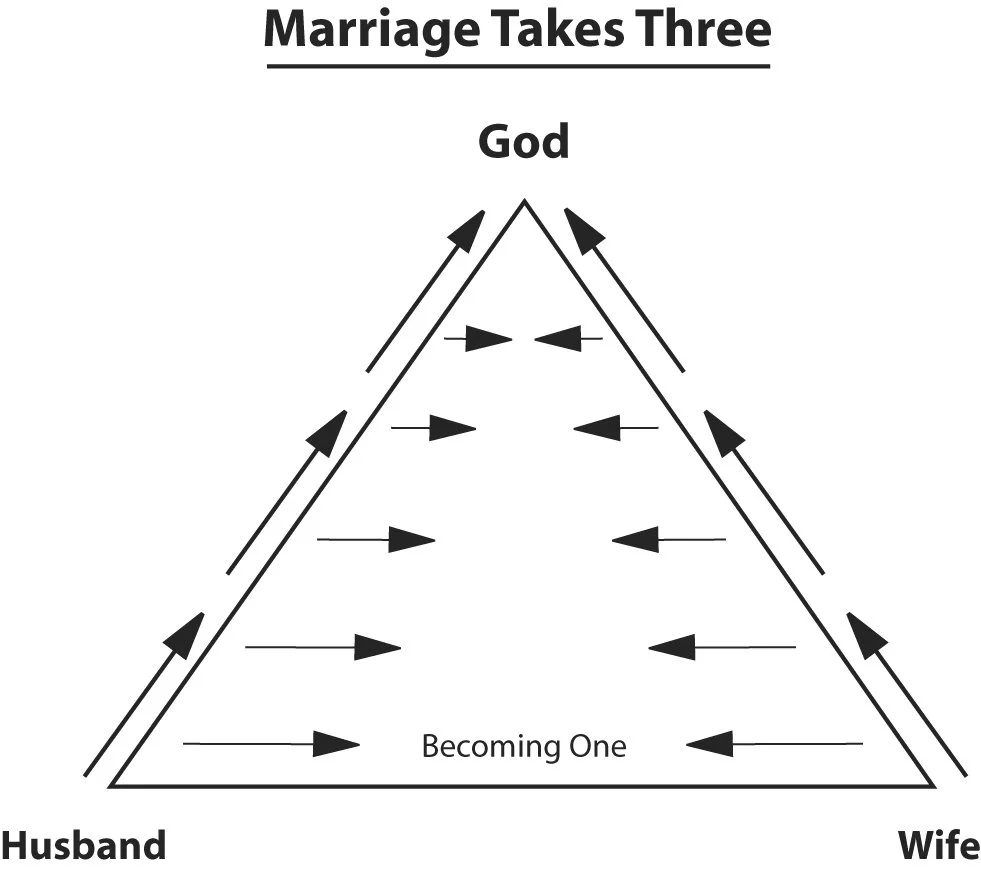
An easy example is the relationship triangle. When the essential THREE are God/Neighbor/Self, or God/Husband/Wife, or Father/Mother/Child things are great:
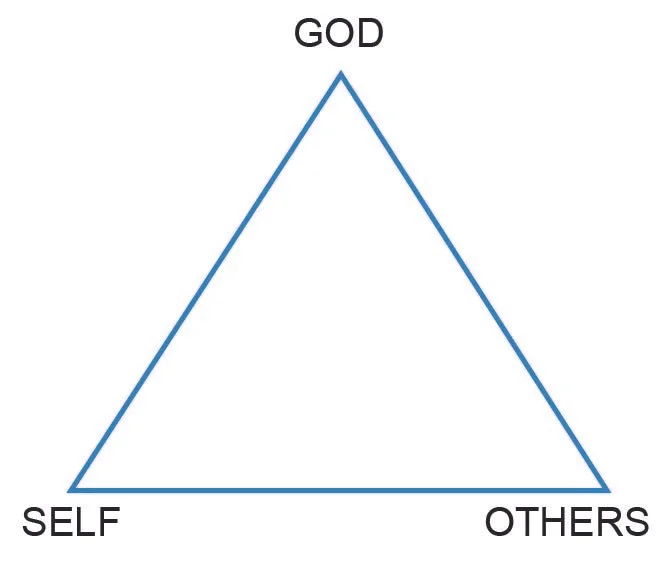
A triangle with labels at each corner: GOD at the top, and SELF and OTHERS at the bottom corners.
A diagram titled 'Marriage Takes Three' illustrating the process of becoming one in marriage, with a triangle showing God at the top and husband and wife at the bottom corners. Arrows indicate the merging process toward becoming one.

But when an imposter joins the same relationship triangle and replaces one of the norms, the fraudulent presence immediately makes the relationship dynamics codependent and emotionally abusive.
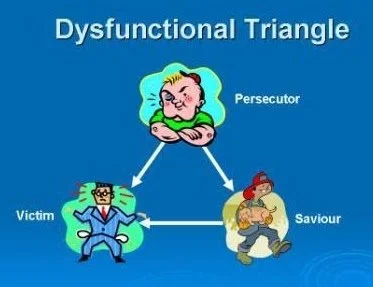
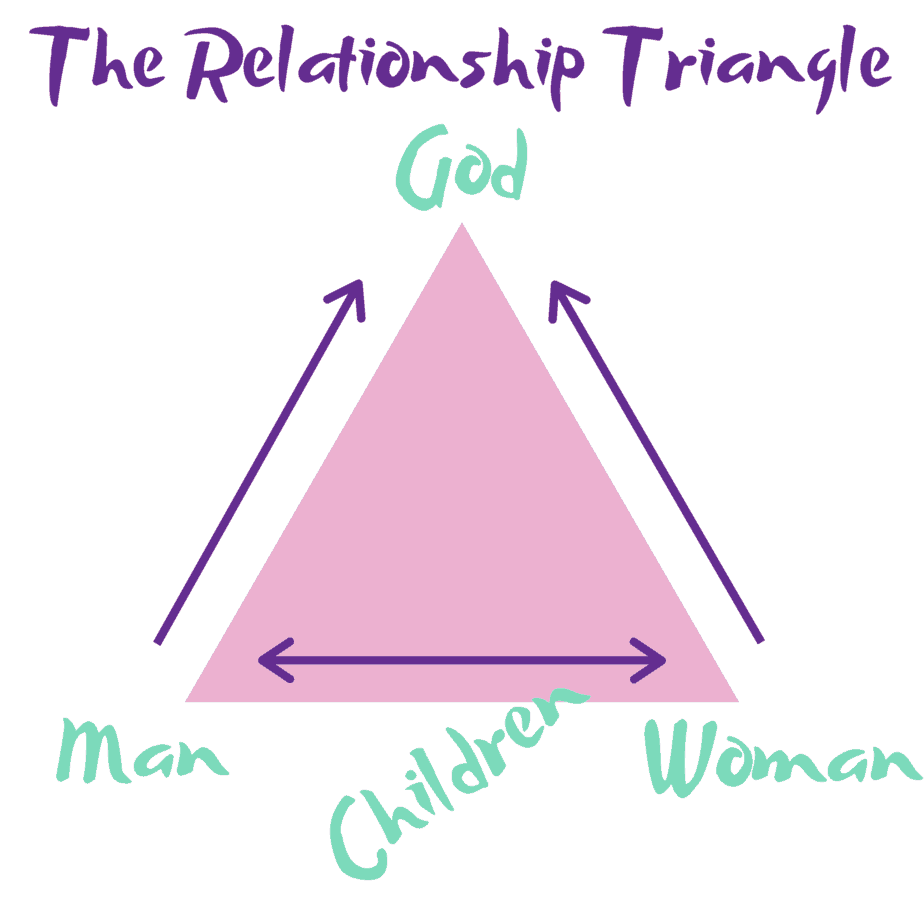
Diagram of a dysfunctional triangle with three labeled characters: Persecutor at the top, Saviour on the right, and Victim on the left, each depicted with cartoon-style illustrations.
Diagram titled 'The Relationship Triangle' showing a pink triangle with 'God' at the top, 'Man' on the bottom left, and 'Woman' on the bottom right, illustrating the relationships between them.
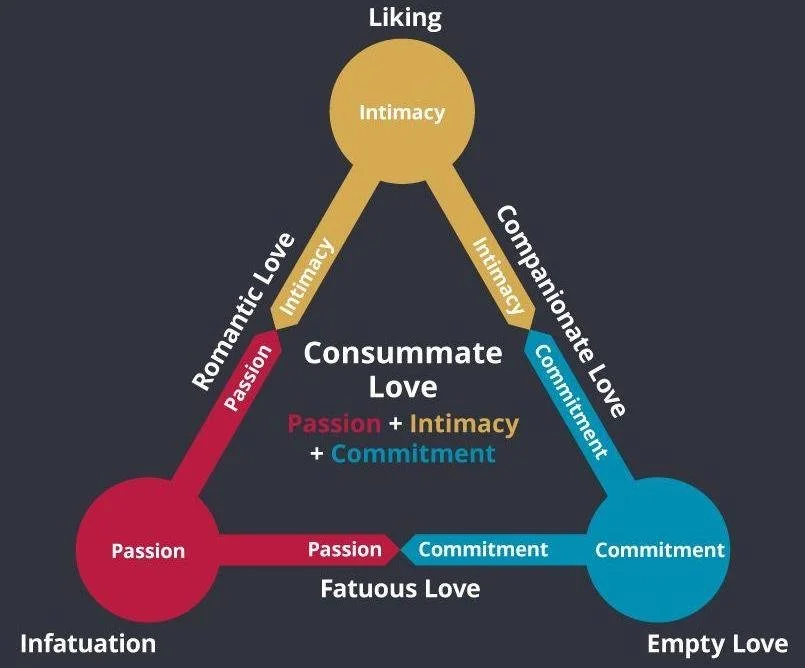
Diagram of three types of love: Romantic Love, Liking, and Compassionate Love, each with their components. Romantic Love includes Passion and Intimacy, leading to Fatuous Love with Passion and Commitment. Liking features Intimacy and Commitment, resulting in Companionate Love. Compassionate Love combines Intimacy and Commitment, forming Conummate Love. The diagram shows relationships and transitions between love types.
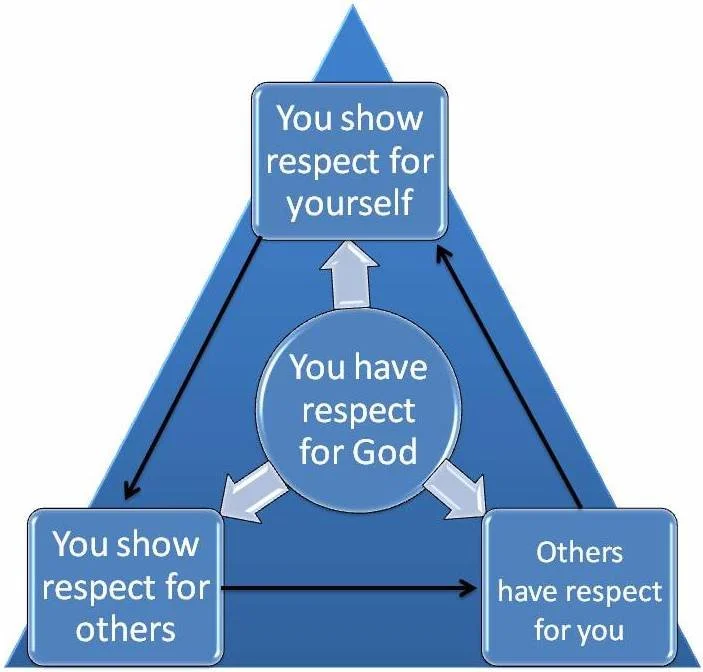
Diagram showing that respecting God involves respecting yourself, others, and others respecting you.
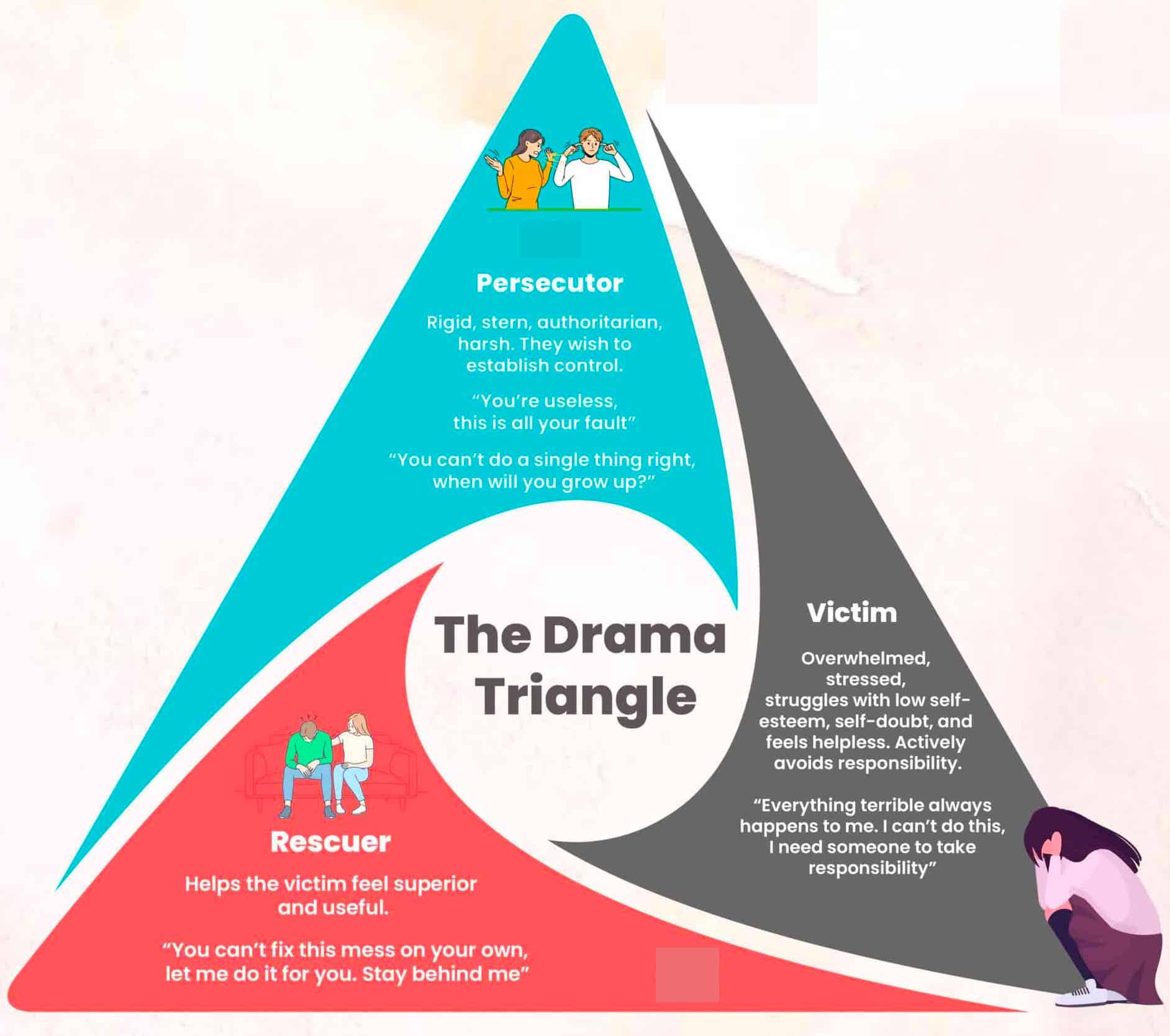
Diagram illustrating the drama triangle with three roles: Persecutor, Rescuer, and Victim. The Persecutor is described as rigid, stern, and authoritarian, wanting to establish control. The Rescuer helps the victim feel superior and useful. The Victim feels overwhelmed, stressed, and struggles with low self-esteem.

The more we understand the life’s healthy and unhealthy triangular aspects, the more predictable the outcomes. Let’s take a look at some examples as to THREEs being the foundation of understanding many of life’s arrangements and challenges.

The psychological and spiritual approach of Tri-Unity Systems’ pastoral counseling and life coaching is to identify the fundamental TRI-ANGLE we are addressing or experiencing and UNIFYING our understanding and practice within that context. Hence, the TRI-UNITY.
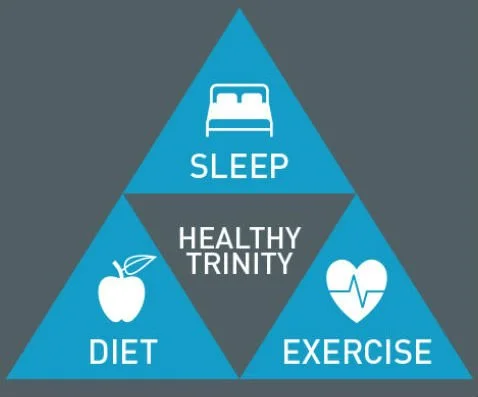
A triangular diagram illustrating the components of a healthy lifestyle: sleep at the top, diet and exercise on the sides, and healthy trinity in the center.
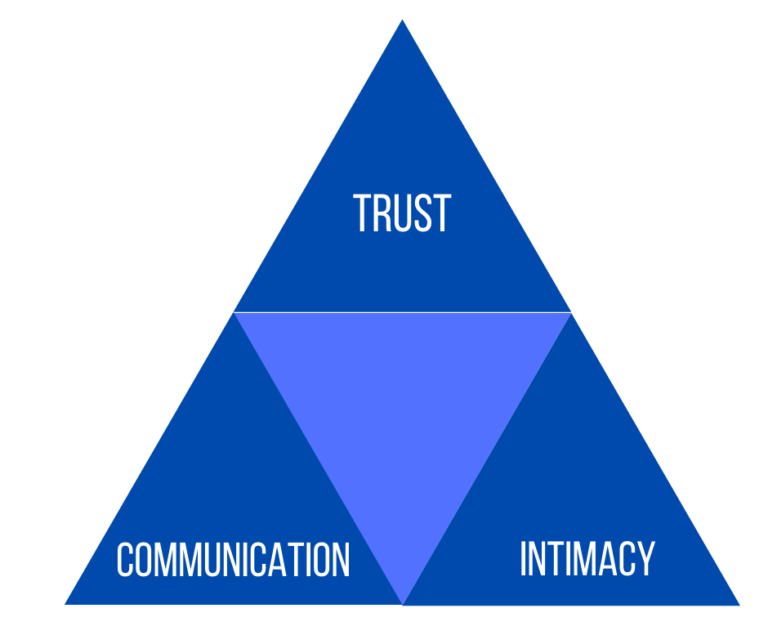
A triangular diagram with three interconnected sections labeled 'Trust,' 'Communication,' and 'Intimacy,' illustrating their relationship.
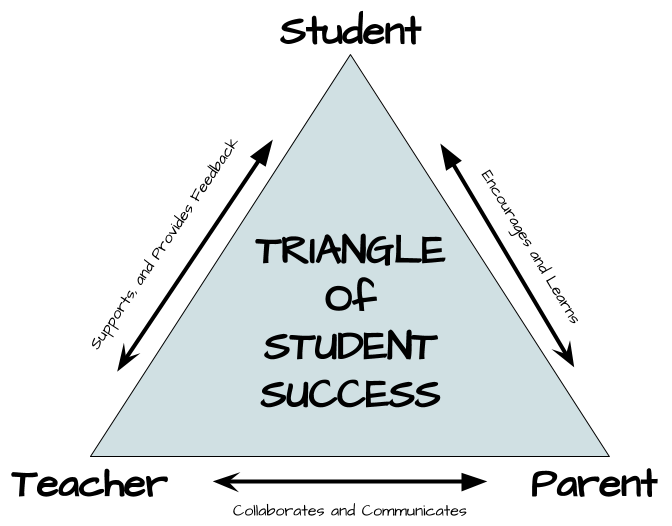
Illustration of a triangle titled 'Triangle of Student Success' with a black background and a light blue triangle in the center.
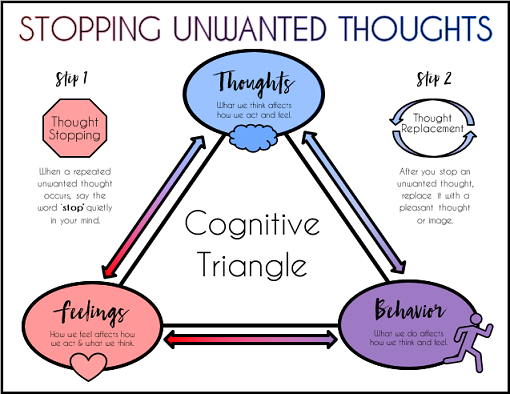
Diagram illustrating stopping unwanted thoughts, featuring four interconnected sections: a blue thought cloud at the top labeled 'Thoughts' explaining its influence, a pink section labeled 'Feelings' on the bottom left, a purple section titled 'Behavior' on the bottom right, and a hexagon labeled 'Thought Stopping' on the top left with steps to interrupt negative thoughts, connected by arrows showing the flow between thoughts, feelings, and behavior.
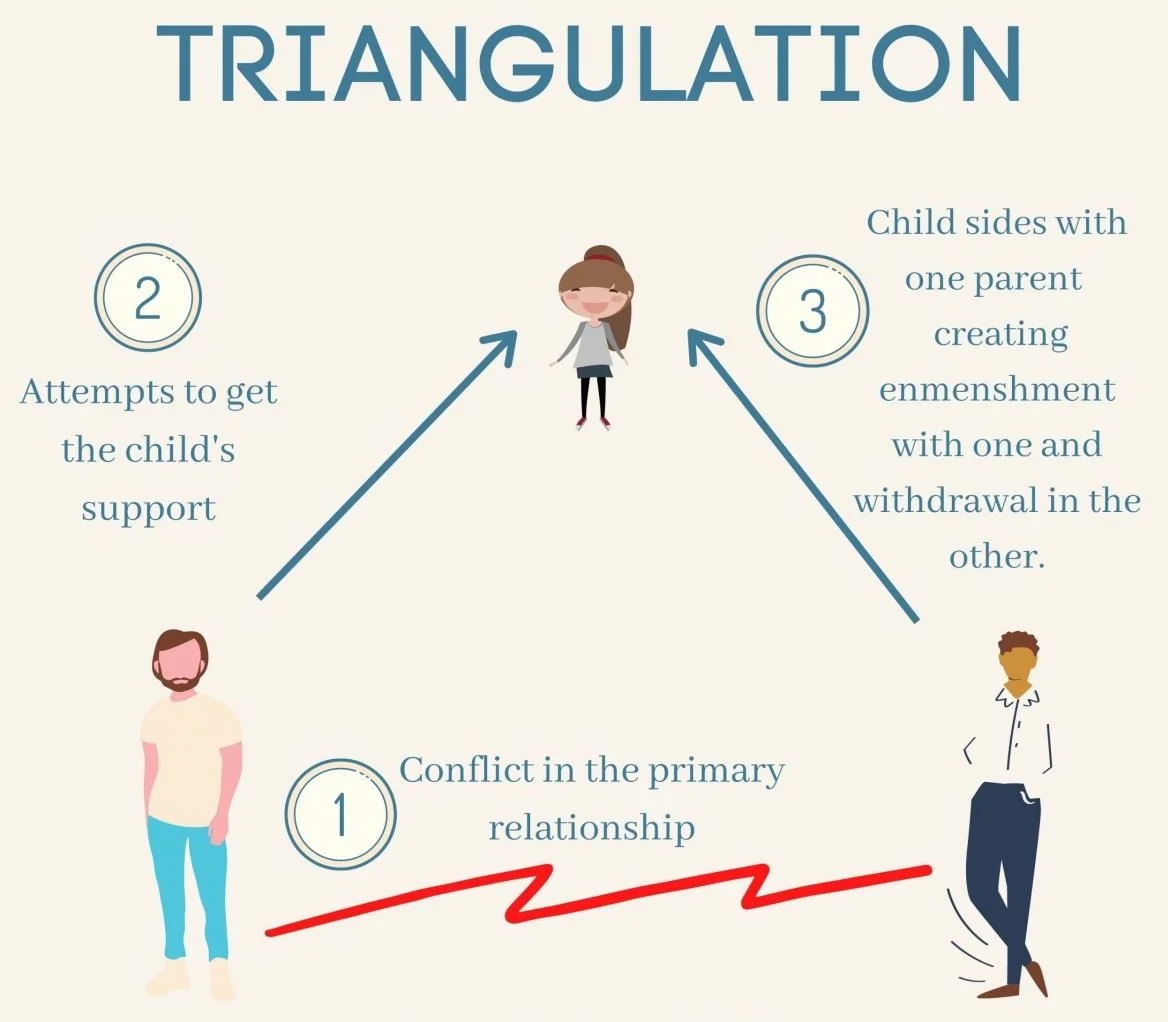
Diagram illustrating the stages of triangulation in relationships, including conflict in primary relationship, attempts to get child's support, and child sides with one parent creating enmeshment with one and withdrawal from the other.
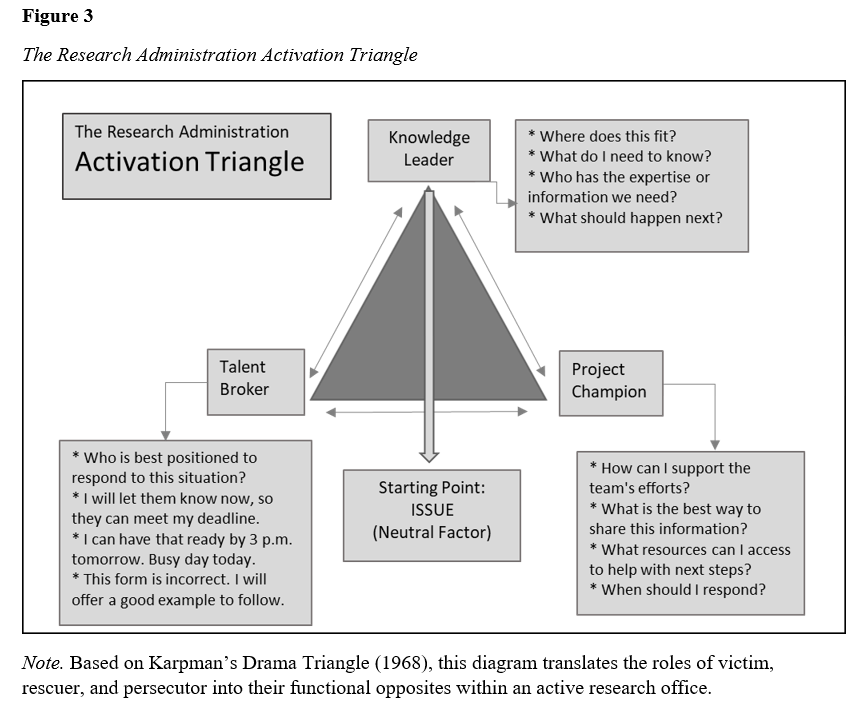
Diagram titled 'The Research Administration Activation Triangle' showing roles of Knowledge Leader, Talent Broker, and Project Champion, with a central starting point labeled 'ISSUE (Neutral Factor),' and questions relevant to each role on the sides.
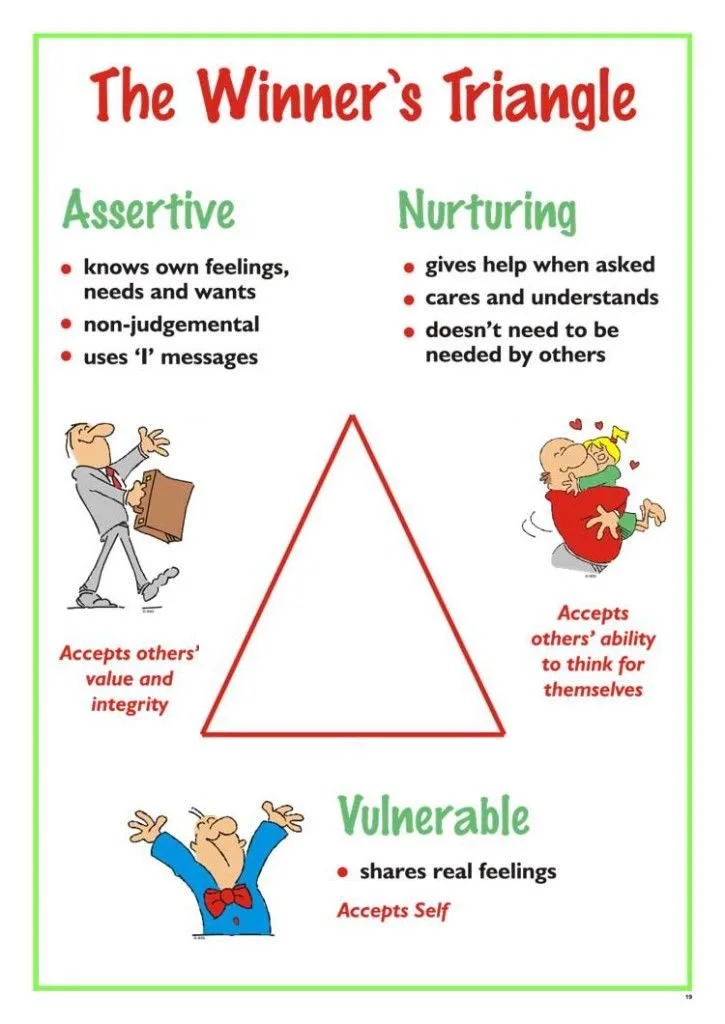
Diagram titled "The Winner's Triangle" illustrating three traits: Assertive, Nurturing, and Vulnerable. Assertive: knows own feelings, needs, and wants; non-judgmental; uses 'I' messages. Nurturing: gives help when asked; cares and understands; doesn't need to be needed by others. Vulnerable: shares real feelings; accepts self. Each trait is associated with a character illustration demonstrating the trait.